Nov 16, 2026 • 5 min readLinkedInFacebookTwitter
Belt Systems vs. Baggage Tray Systems: Choosing the Right Baggage Handling Solution for Modern Airports
As airports modernize their baggage handling operations, selecting the right transport technology has become a strategic decision. Conventional belt conveyor systems and Baggage Tray Systems each offer distinct advantages in areas such as baggage tracking, operational flexibility, throughput, scalability, and cost. Understanding these differences helps airport operators align technology investments with long-term operational and passenger service goals.
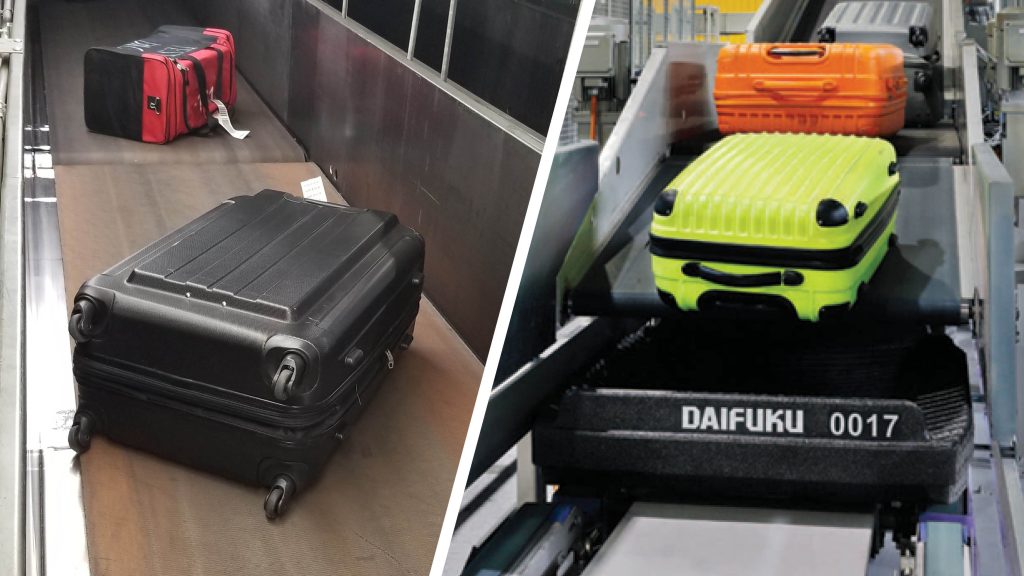
Airport baggage handling systems (BHS) have evolved significantly over the past several decades. Today, airports rely on advanced automation to move millions of bags safely and efficiently every year. As passenger volumes continue to grow and airport operations become increasingly complex, operators face important decisions about the technologies that will support future baggage handling requirements.
Modern airports typically evaluate two primary approaches for baggage transportation within a BHS: conventional belt conveyor systems and Baggage Tray Systems (BTS), also known as Individual Carrier Systems (ICS). While belt systems remain a proven, highly reliable solution used in airports worldwide, BTS technology is gaining interest among larger airports seeking enhanced baggage traceability, operational flexibility, and high-capacity performance.
Understanding Baggage Tray Systems (BTS)
BTS is an advanced baggage handling solution that places each bag into its own dedicated tray equipped with tracking capabilities such as RFID technology. The tray remains with the bag throughout the handling process, providing continuous visibility and traceability from check-in to the final loading point.
Unlike conventional conveyor systems, where baggage moves directly on belts and rollers, a BTS transports baggage within individual carriers that move through the system under intelligent control. This approach can reduce the likelihood of jams caused by loose straps, exposed wheels, irregular shapes, or damaged baggage while providing operators with real-time visibility into baggage movement.
Comparing Belt Systems and BTS
While both technologies are designed to transport and sort baggage efficiently, each offers unique operational advantages.
Dynamic Routing and Baggage Tracking
Both modern belt systems and BTS solutions support dynamic routing capabilities and can integrate with Early Bag Storage (EBS) systems. The primary difference is the level of tracking available.
In a belt-based system, baggage can be tracked throughout the process, particularly when integrated with modern controls and storage technologies. In a BTS environment, every bag remains within its assigned carrier throughout transport and storage, allowing operators to monitor each bag at the individual carrier level. This can provide increased visibility and control, particularly in large airport operations with complex baggage flows.
Speed and Throughput
Conventional baggage conveyor systems typically transport baggage at speeds of approximately 3 to 6 feet (1 to 2 meters) per second. Some BTS solutions can achieve speeds of up to 32 feet (10 meters) per second, enabling baggage to move quickly across large airport footprints.
For major hub airports with significant transfer operations, higher transport speeds can help improve throughput and support demanding connection schedules.
Handling Different Baggage Types
Airports process a wide variety of baggage sizes, shapes, and weights every day.
Belt systems are designed to accommodate this diversity effectively. However, irregular items such as bags with loose straps, protruding wheels, or damaged handles may occasionally require additional attention to prevent disruptions.
BTS technology addresses this challenge by transporting baggage within standardized trays. By isolating each bag from the conveyor infrastructure, carriers help reduce the risk of jams and improve system consistency when handling oversized or irregularly shaped baggage.
Sustainability and Energy Efficiency
As airports continue pursuing sustainability and Environmental, Social, and Governance (ESG) objectives, energy efficiency remains an important consideration when evaluating baggage handling technologies.
Both modern belt systems and BTS solutions can incorporate energy-saving features such as high-efficiency motors, intelligent controls, and run-on-demand operation. The actual energy performance of either solution depends on system design, airport configuration, operating conditions, and throughput requirements.
For this reason, airports should evaluate energy consumption based on their specific operational needs and project requirements rather than relying on generalized performance claims.
Maintenance and Scalability
Reliability, maintainability, and scalability are critical considerations for every airport.
Modern belt systems are often easier to modify or extend within existing facilities and frequently offer a lower level of implementation complexity. They continue to provide dependable, cost-effective performance for airports of all sizes.
Meanwhile, BTS solutions are typically designed with modular architectures that can support future growth and capacity expansion. Advanced monitoring technologies and smart sensors can also help maintenance teams identify potential issues before they affect operations.
The optimal choice ultimately depends on factors such as airport layout, available space, growth projections, operational goals, and long-term investment strategy.
Selecting the Right BHS
There is no universal BHS for every airport.
Modern belt systems remain one of the most proven, reliable, and cost-effective technologies available for baggage handling. Their operational familiarity, flexibility, and favorable total cost of ownership make them an excellent choice for many airports.
At the same time, BTS technology offers compelling advantages in areas such as baggage traceability, operational visibility, routing flexibility, and system control. For larger hub airports handling significant transfer volumes, these capabilities may provide meaningful operational benefits.
When evaluating future baggage handling investments, airports should consider:
- Airport size and passenger volumes
- Transfer baggage requirements
- Future growth projections
- Available facility space
- Sustainability objectives
- Operational performance requirements
- Total cost of ownership
- Expectations of airport authorities, airlines, security teams, and ground handling providers
Early collaboration among stakeholders helps ensure that operational, security, and future expansion requirements are fully considered before selecting a solution.
As passenger expectations continue to evolve, airports must carefully assess which baggage handling technology best aligns with their long-term goals. Understanding the strengths of both belt systems and BTS solutions allows operators to make informed decisions that balance performance, efficiency, cost, and future readiness.
Want to continue the conversation or learn more about Daifuku’s baggage handling and airport automation solutions? Feel free to connect with Geoffrey Tanchon on LinkedIn or send a message through our Contact Us form.

About Geoffrey Tanchon
Geoffrey Tanchon has more than 15 years of experience in aviation, airport logistics, and industrial technology. As Sales Director EMEA for Daifuku’s Airport Division, he leads commercial strategy and business growth across Europe, the Middle East, and Africa, supporting airport operators with advanced baggage handling and airport automation solutions.
Related articles

Jul 10, 2026 • 5 min read
Rise of the Smart Airport: From Data Silos to Fully Connected Operations
Feb 14, 2026 • 6 min read
Why Airlines Should Rethink Passenger Technology
Newsletter
Never miss an article
Subscribe to our newsletter and be the first in the know.
Join the conversation
For the latest industry articles and networking